When Payment Timelines Meet Live Table Access Thresholds in Tiered Mobile Reward Ecosystems
Ines Griffin · May 23, 2026
When Payment Timelines Meet Live Table Access Thresholds in Tiered Mobile Reward Ecosystems
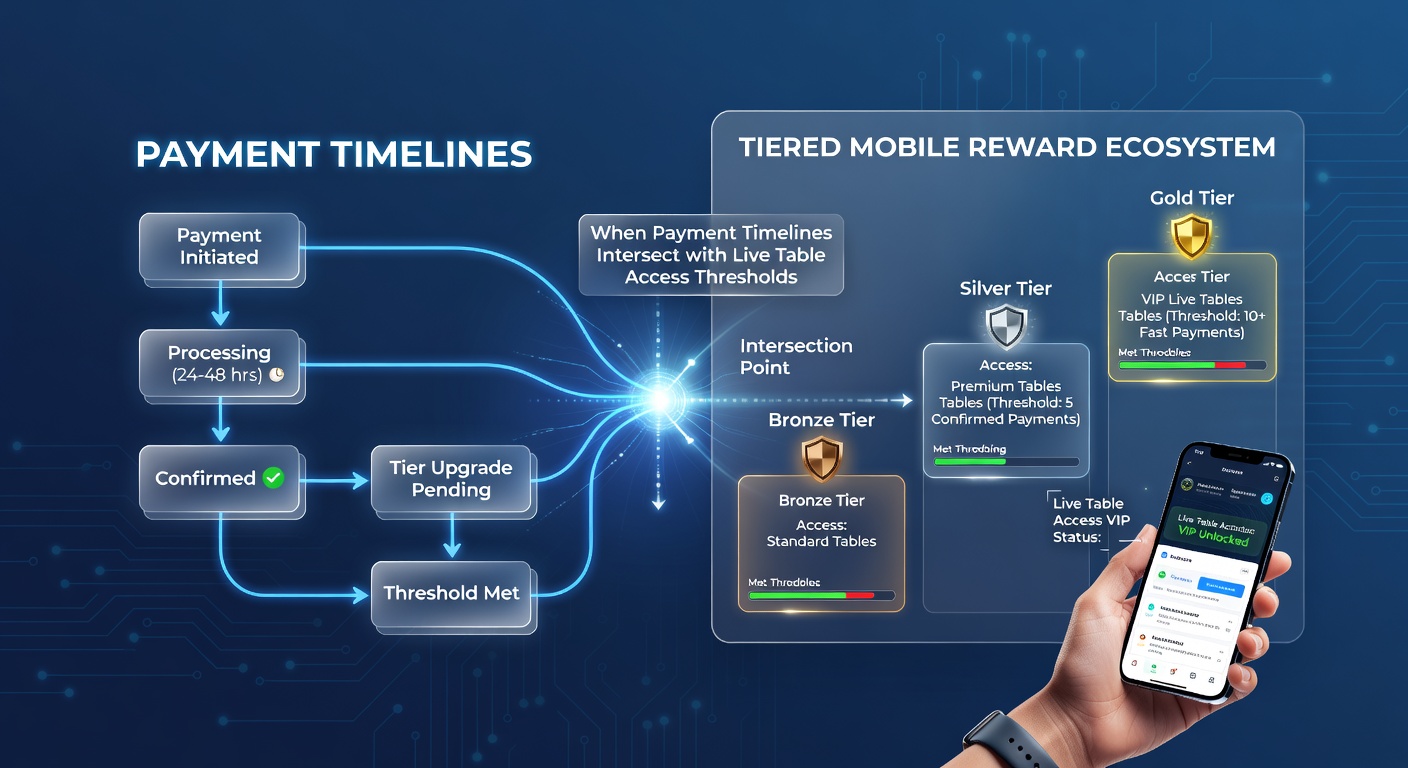
Payment processing durations often determine when players cross into higher reward tiers that unlock live dealer tables on mobile platforms, and this intersection shapes how users move through structured loyalty systems. Mobile reward ecosystems rely on deposit verification times, withdrawal schedules, and activity tracking algorithms that together set the pace for tier advancement. Those who've studied these systems note that live table access typically activates only after a combination of deposit volume and session duration meets predefined criteria, which means payment confirmation delays can shift the entire progression timeline.
Core Mechanics of Tiered Mobile Reward Structures
Tiered systems in mobile casino applications assign levels based on cumulative deposits, wagering activity, and sometimes login frequency, while live table sections remain restricted until specific thresholds clear. Research from the iGaming Ontario regulatory framework shows that many platforms require verified deposits within a rolling 30-day window before granting access to real-time dealer environments. Payment timelines enter the equation because bank transfers, e-wallet confirmations, and card authorizations each carry different settlement periods that affect when the system registers the qualifying activity. Observers note that a deposit initiated on a Friday evening might not post until Monday morning on certain networks, pushing the tier unlock date forward and delaying live table entry by several days.
Payment Methods and Their Processing Windows
Electronic wallets usually complete verification within minutes, whereas traditional bank wires can stretch across one to three business days depending on the institutions involved. Credit card transactions sit in between, often authorizing instantly yet requiring additional risk checks that extend the recorded deposit date. Data from Canadian provincial gaming reports indicates that players using instant methods reach live table thresholds faster than those relying on slower channels, even when deposit amounts remain identical. This difference becomes noticeable in ecosystems where tier resets occur monthly, because a delayed payment might push activity into the next cycle and reset progress entirely.
Live Table Access Thresholds and Their Triggers
Access to live dealer tables commonly demands a minimum deposit total, a set number of completed game rounds, or a combination of both within the current tier period. Platforms implement these thresholds to segment users and manage server load during peak hours, yet the rules tie directly to payment settlement records. Experts have observed that once a deposit clears, the system recalculates tier status in near real time, but any lag in confirmation creates a temporary gap where the player meets the numerical requirement without receiving the corresponding access. Studies from the University of Nevada's gaming research division highlight cases where users waited between four and forty-eight hours after a qualifying deposit before live tables appeared, solely due to backend verification queues.
Intersection Points in Practice
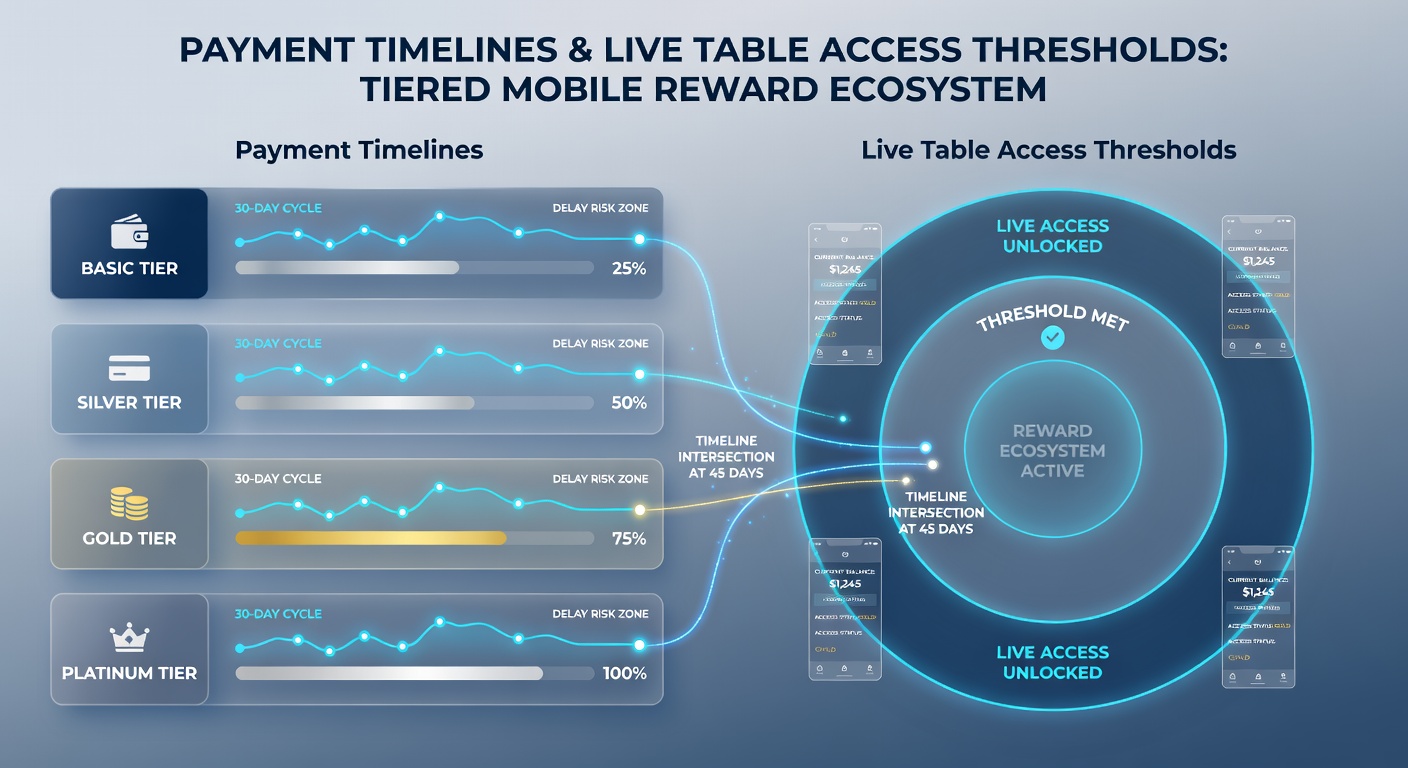
The critical overlap occurs when a deposit posts just before or after a scheduled tier evaluation cycle. In May 2026 several platforms plan to synchronize their evaluation windows with calendar month ends to align with updated financial reporting standards from the New Jersey Division of Gaming Enforcement. This adjustment means a payment that settles on the final day of April will count toward May tier progress, whereas the same payment arriving on May 1 shifts into the following period. Those monitoring these changes report that users who time deposits carefully around these boundaries can accelerate live table access by an entire evaluation cycle, while others experience unexpected delays when payment processors encounter weekend or holiday interruptions.
Additional friction arises from security holds placed on larger deposits. Many systems flag transactions above certain amounts for manual review, extending the effective timeline even when the underlying payment method supports instant processing. Industry analyses from the European Gaming and Betting Association reveal that such holds affect roughly 12 percent of deposits exceeding tier advancement thresholds, creating predictable bottlenecks during high-volume promotional periods. Players who spread deposits across multiple smaller transactions sometimes bypass these holds, though the cumulative processing time still determines when live tables become available.
Regional Variations and Regulatory Influences
Different jurisdictions impose distinct requirements on how quickly platforms must recognize deposits for tier purposes. Australian state regulators, for instance, require operators to credit verified deposits within two hours during standard business periods, which compresses the window between payment initiation and live table eligibility. In contrast, some U.S. state frameworks allow longer verification windows that can stretch the intersection period. These regulatory differences produce noticeable variation in how quickly mobile users progress through reward tiers depending on their location and chosen payment channel.
One documented pattern involves promotional deposit bonuses that carry their own wagering requirements before counting toward tier totals. When these bonuses must clear before the underlying deposit registers for tier advancement, the combined timeline lengthens further. Observers tracking multiple platforms note that users who combine bonus funds with standard deposits often experience staggered unlocks, with live table access activating only after both the bonus wagering and the base deposit verification complete.
Conclusion
Payment timelines and live table access thresholds remain tightly coupled within tiered mobile reward ecosystems, and the precise moment a deposit settles continues to dictate when users gain entry to restricted sections. Regulatory adjustments scheduled for May 2026 will likely standardize certain evaluation cycles across platforms, yet differences in payment method speeds and security protocols will persist as key variables. Data from multiple oversight bodies shows that understanding these intersection points allows clearer predictions of when live dealer tables become reachable, while the underlying mechanics stay consistent across varied mobile environments.