Uncovering links between seasonal event tie-ins and custom incentive pathways in digital entertainment platforms
Ines Griffin · Jul 7, 2026
Uncovering links between seasonal event tie-ins and custom incentive pathways in digital entertainment platforms
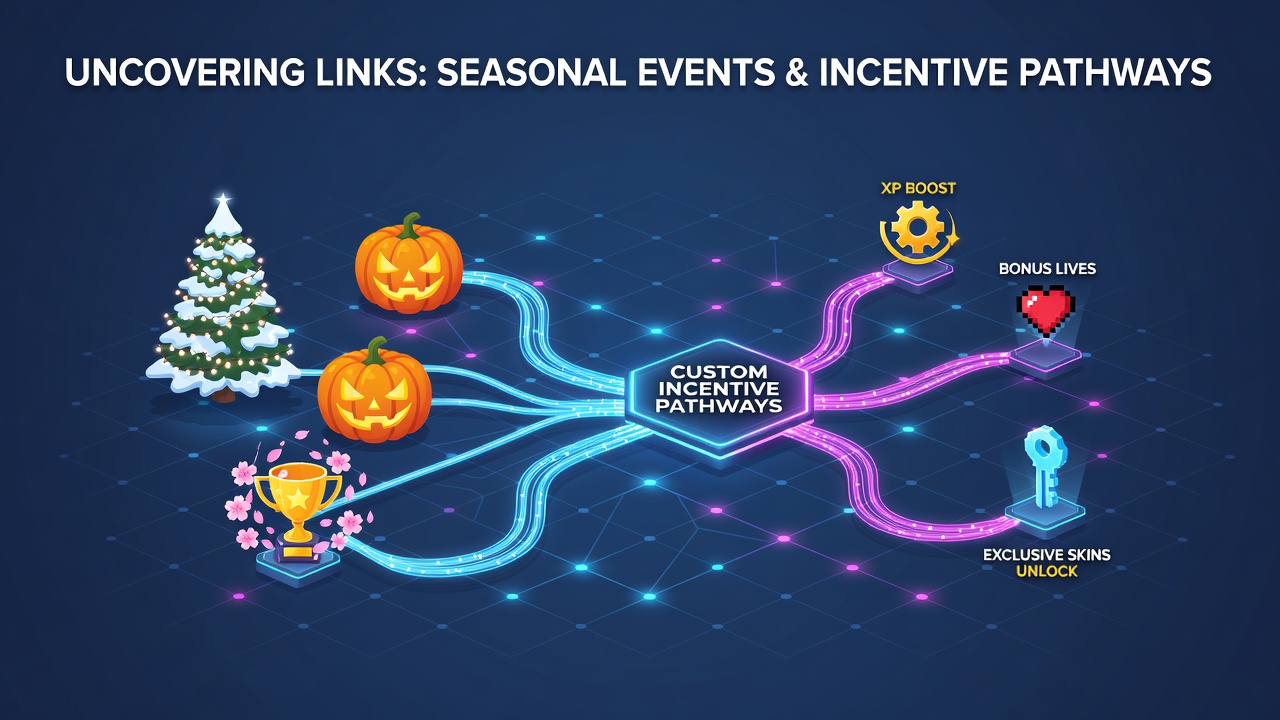
Seasonal event tie-ins in digital entertainment platforms create structured connections to custom incentive pathways through coordinated reward mechanics that adjust based on participation timing and user behavior patterns. These systems operate across mobile games, virtual worlds, and interactive media services where holiday themes or cultural festivals trigger temporary content updates that feed into long-term progression tracks. Data from industry tracking services shows that platforms incorporating such events experience measurable shifts in user retention metrics during peak periods like summer festivals or winter celebrations.
Mechanics of Seasonal Event Integration
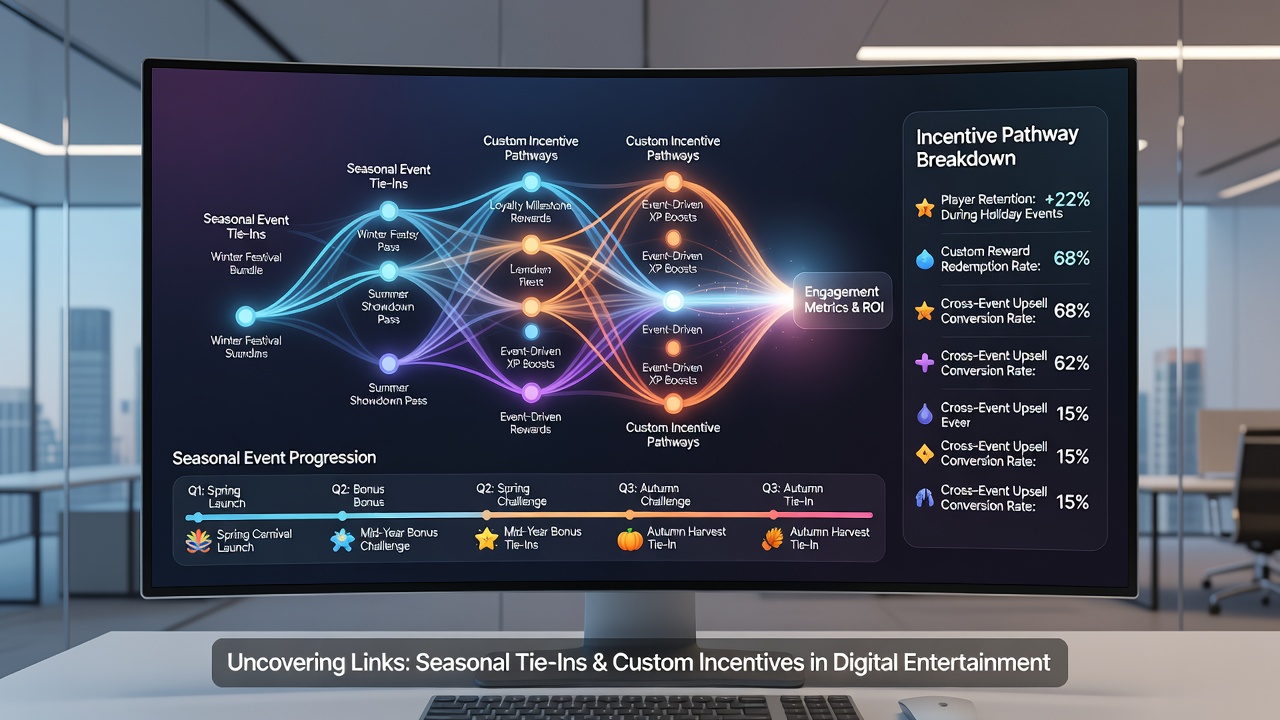
Platform developers align seasonal events with calendar milestones so that limited-time challenges feed directly into persistent reward structures, allowing participants to unlock tiered benefits that persist beyond the event window. Researchers at academic institutions studying digital engagement have documented how these integrations use data analytics to personalize quest lines, item drops, and currency multipliers according to individual activity histories. In July 2026, several major platforms rolled out mid-year aquatic themed events that linked short daily login streaks to expanded customization options in ongoing battle pass systems, creating pathways where users advanced through multiple progression layers simultaneously.
Observers note that the technical backbone involves API connections between event servers and core account databases, which enables real-time adjustments to incentive offerings without disrupting existing user profiles. This setup supports conditional rewards that scale with engagement depth, such as granting bonus experience multipliers only after completing collaborative community goals tied to the seasonal narrative.
Custom Incentive Pathway Development
Custom incentive pathways emerge when platforms apply machine learning models to user data collected during seasonal periods, generating tailored sequences of rewards that reflect patterns in login frequency, social interactions, and content consumption. Studies from research organizations indicate that these pathways often incorporate branching options where early event participation unlocks alternative tracks unavailable to later joiners, thereby encouraging timely involvement. Evidence from platform telemetry reveals that such personalization increases the average duration of active sessions by channeling users toward specific goal clusters aligned with their historical preferences.
What's interesting is how these systems incorporate feedback loops that refine future event designs based on prior cycle outcomes, with developers adjusting difficulty curves and reward densities to maintain balanced progression across diverse user segments. Industry reports highlight cases where platforms introduced hybrid events blending elements from multiple seasonal motifs, which in turn expanded the range of accessible incentive branches for returning participants.
Documented Connections Across Platforms
Analyses conducted by entertainment software associations demonstrate clear correlations between the introduction of seasonal tie-ins and subsequent modifications to incentive architectures, with data sets from 2025 showing accelerated tier unlocks among users who engaged with themed content during specific quarters. One documented example involves platforms that mapped summer event completions to winter preparation bonuses, allowing accumulated points to convert into exclusive avatar modifications or narrative expansions available only through sustained cross-season participation.
Those who've examined user flow metrics point out that platforms employing geographic variations in event timing achieve broader distribution of incentive pathway activations, as regional festivals provide staggered entry points that reduce server load while maintaining global engagement momentum. Reports from regulatory bodies in regions such as Australia and Canada further outline how these linked systems comply with consumer protection standards by disclosing reward probabilities and expiration conditions upfront within event interfaces.
Platform case studies reveal instances where collaborative seasonal challenges produced shared incentive pools that distributed benefits proportionally based on contribution levels, thereby creating social reinforcement within custom progression routes. Data indicates these mechanisms sustain activity levels into post-event periods when base incentives alone might otherwise decline.
Technical and Analytical Foundations
Engineers build these links through modular design frameworks that isolate seasonal assets from core progression engines while permitting controlled data exchange for reward calculations. According to findings published by university-led digital media labs, the analytical component relies on clustering algorithms that segment users by event interaction styles, enabling platforms to deploy differentiated incentive sequences that match observed behavioral clusters without manual intervention.
External verification from sources like the Entertainment Software Association confirms that seasonal integrations have become standard features in leading digital entertainment services, with adoption rates exceeding 70 percent among top-grossing titles tracked over recent fiscal periods. Additional insights from the Interactive Games and Entertainment Association show corresponding growth in custom pathway utilization metrics during event windows across multiple territories.
Future Trajectories in Event-Incentive Linkages
Emerging trends suggest continued refinement of these linkages through expanded use of predictive modeling that anticipates user availability during upcoming seasonal windows, allowing preemptive customization of incentive offers. Platform operators increasingly test cross-media integrations where event participation in one service influences reward availability in affiliated applications, extending the reach of custom pathways beyond single-environment boundaries.
Documentation from ongoing industry monitoring indicates that July 2026 implementations incorporated augmented reality overlays in certain mobile platforms, linking physical-world seasonal activities to virtual incentive milestones and thereby broadening the data inputs available for pathway personalization. These developments maintain focus on measurable engagement outcomes while adhering to established transparency requirements for reward disclosures.
Conclusion
The connections between seasonal event tie-ins and custom incentive pathways rest on integrated data systems that translate temporary participation into enduring user benefits across digital entertainment platforms. Evidence accumulated through platform analytics and third-party research establishes consistent patterns where event timing influences reward accessibility and progression speed. Continued observation of these mechanisms provides insight into how platforms sustain engagement through structured, personalized incentive designs that evolve with user behavior across annual cycles.