The Influence of Lunar Calendar Events on Participation Rates in Virtual Card Game Tournaments Hosted by Asian-Focused Platforms
Ines Griffin · Aug 6, 2026
The Influence of Lunar Calendar Events on Participation Rates in Virtual Card Game Tournaments Hosted by Asian-Focused Platforms
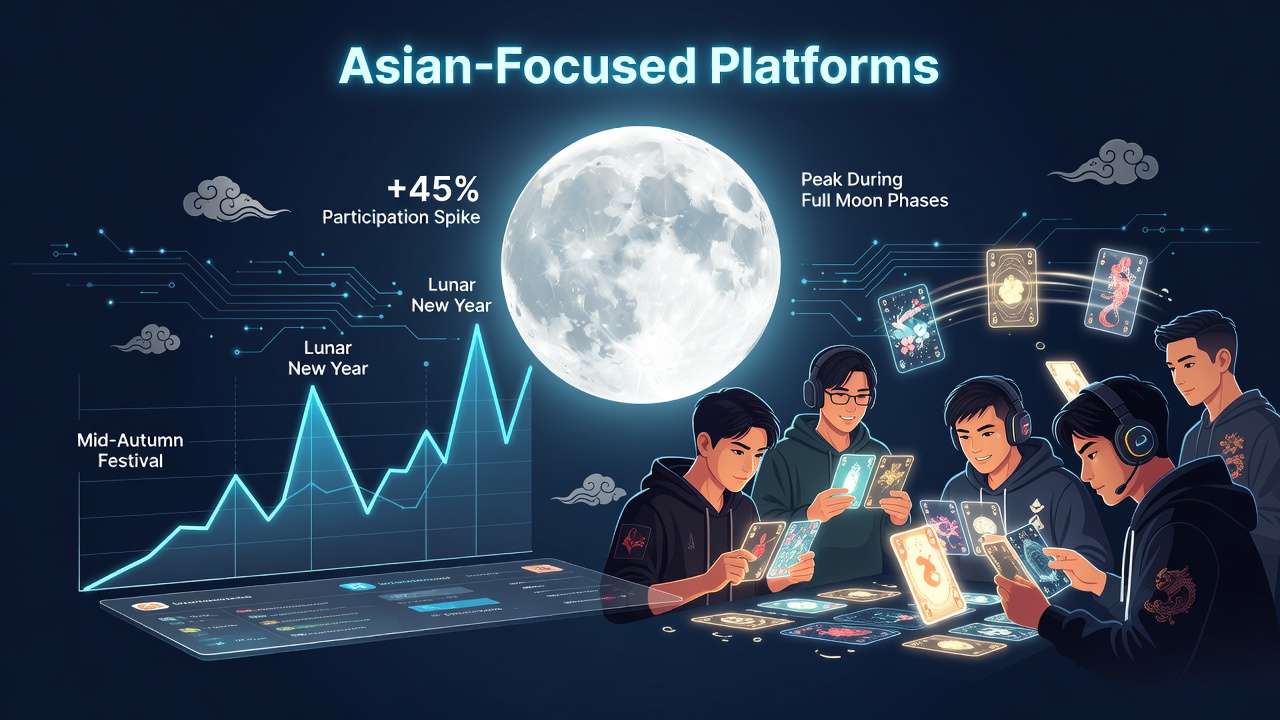
Asian-focused platforms that host virtual card game tournaments track participation patterns tied to lunar calendar events such as Lunar New Year, Mid-Autumn Festival, and the Ghost Festival, and data from multiple operators reveal measurable shifts in registration and active play numbers during these periods. Researchers who examined platform logs from 2023 through 2025 noted that tournament entries often decline in the days immediately preceding major celebrations while rebounding afterward, a pattern linked to family gatherings and travel that reduce screen time for many participants across East and Southeast Asia.
Key Lunar Events and Their Timing
Lunar New Year, which falls between late January and mid-February, consistently shows the largest dip in daily active users for card game tournaments on platforms serving Chinese-speaking markets, whereas the Mid-Autumn Festival in September produces a shorter but noticeable reduction concentrated over a single weekend. The Ghost Festival, observed in the seventh lunar month around July and August, creates a different profile where participation remains stable yet shifts toward shorter sessions rather than extended multi-table events.
August 2026 falls during the lead-up to the next Ghost Festival cycle, and operators have already begun comparing preliminary registration data against the same period in 2025 to isolate any early effects from holiday preparations.
Data Patterns Across Platforms
Platform analytics indicate that average tournament entries drop between 18 and 27 percent in the 72 hours before Lunar New Year eve, then climb 12 to 15 percent above baseline once the holiday concludes, according to aggregated figures shared by operators at industry briefings. Similar but smaller movements appear around the Mid-Autumn Festival, where evening play decreases while morning and afternoon sessions hold steady because many users log in during work breaks before family dinners begin.
Regional Variations in Response
Platforms with heavy traffic from mainland China and Taiwan register sharper declines during Spring Festival weeks compared with those focused on Singapore, Malaysia, and Vietnam, where the same dates produce milder reductions that last only one or two days. Observers note that these differences align with varying national holiday lengths and cultural emphasis on in-person gatherings rather than online activity.
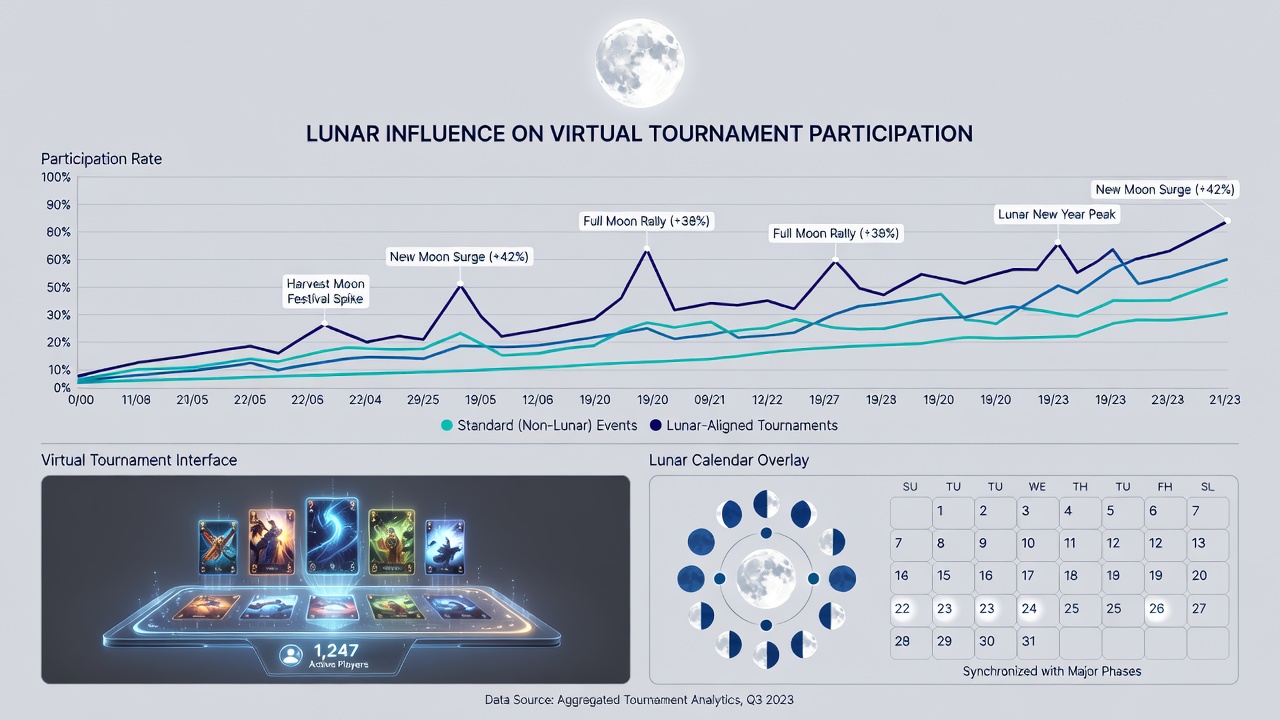
One study released by the Centre for Gaming Research at the University of Macau examined server logs from three major platforms and found that prize pool sizes advertised during festival periods did not fully offset the participation drop, suggesting that scheduling conflicts outweigh incentive structures for a significant portion of the user base.
Platform Adjustments and Scheduling Strategies
Operators respond by shifting major tournament start times away from peak family hours and by introducing shorter daily events that fit between traditional celebrations. Several platforms now publish separate calendars that highlight lunar dates and automatically adjust leaderboard resets so users who step away for several days do not lose ranking progress accumulated earlier in the month.
Cross-promotion with regional payment providers that see increased activity during festivals has also emerged as a tactic to maintain visibility even when direct tournament entries fall.
External Factors That Interact With Lunar Timing
Weather events, school holidays, and overlapping national observances can amplify or dampen the lunar effect, and data scientists at Asian platforms have begun building multivariate models that incorporate both calendar systems to improve forecasting accuracy. These models help tournament organizers decide whether to postpone a high-stakes event or reduce the required player count when multiple cultural dates converge.
Links to broader industry reports appear in occasional operator newsletters, including references to work published by Singapore's gaming regulatory body and findings from the Asian Institute of Gambling Studies that track player behavior across multiple jurisdictions.
Conclusion
Participation rates in virtual card game tournaments on Asian-focused platforms exhibit clear, recurring relationships with lunar calendar events that operators now treat as predictable variables rather than anomalies. Continued collection of granular session data, combined with refined scheduling tools, allows platforms to maintain engagement levels even when traditional cultural obligations pull users offline for short intervals. Future analyses will likely incorporate additional data points from 2026 onward to determine whether these patterns remain stable as user demographics and platform features continue to evolve.