The Connection Between Preferred Transaction Methods and Unlocking Specialized Game Variants in Mobile Gambling Ecosystems
Erik Washington · Aug 1, 2026
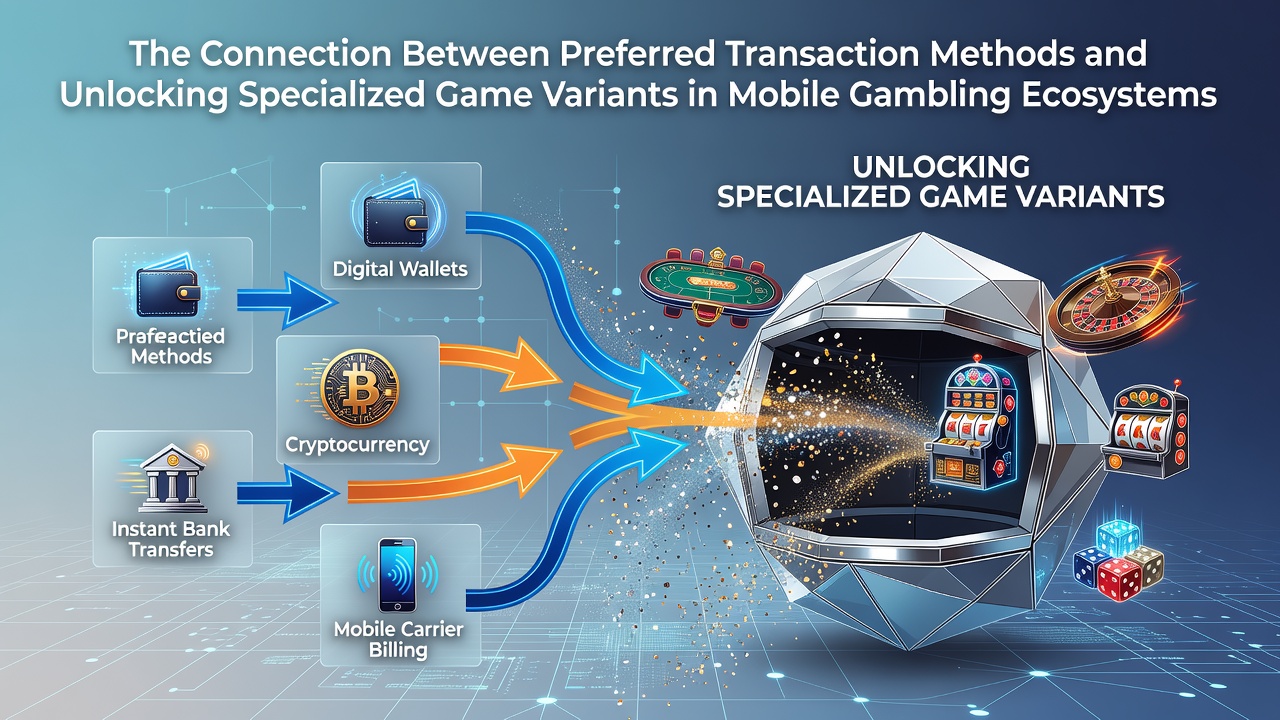
The Connection Between Preferred Transaction Methods and Unlocking Specialized Game Variants in Mobile Gambling Ecosystems
Transaction methods in mobile gambling platforms have developed direct ties to the availability of specialized game variants, creating structured pathways that determine which features players can access at different stages of engagement. Data compiled across multiple jurisdictions shows that choices between credit cards, e-wallets, bank transfers, and digital currencies often align with tiered reward systems that release exclusive mobile-optimized content such as accelerated bonus rounds, variant live dealer tables, and region-specific progressive pools.
How Payment Preferences Shape Access Thresholds
Platform operators configure backend systems so that certain transaction types satisfy verification requirements faster than others, which in turn activates specialized game libraries. Research from regulatory filings indicates that instant settlement methods reduce the time between deposit and eligibility for limited-edition variants by up to several hours compared with traditional bank processing. Observers note that this timing difference becomes particularly relevant during promotional windows when new mobile game releases coincide with monthly reporting cycles.
August 2026 revenue summaries from multiple state agencies highlighted a measurable uptick in mobile session lengths among accounts that completed deposits through digital ledger channels, correlating with higher unlock rates for experimental reel mechanics and side-bet tables not visible to standard payment users. These patterns emerge because system algorithms track settlement speed as one metric within broader player progression frameworks.
Regional Patterns in Transaction-Linked Variants
North American markets demonstrate distinct linkages where state-licensed applications tie preferred funding sources to localized game adaptations. Figures released by the Nevada Gaming Control Board in mid-2026 documented increased participation in mobile-exclusive blackjack variants among users whose accounts reflected same-day ACH or crypto deposits. Similar tracking in Australian markets through industry submissions to the Australian Communications and Media Authority reveals parallel structures, where preferred digital wallets grant entry to localized progressive jackpot pools unavailable through slower settlement routes.
Those who monitor cross-border platform data observe that European operators frequently align e-wallet preferences with access to multilingual live dealer environments, whereas card-based deposits more commonly route users toward standard reel libraries. The distinction arises from compliance protocols that assign different risk profiles to each method, influencing the speed at which specialized content becomes visible in user dashboards.
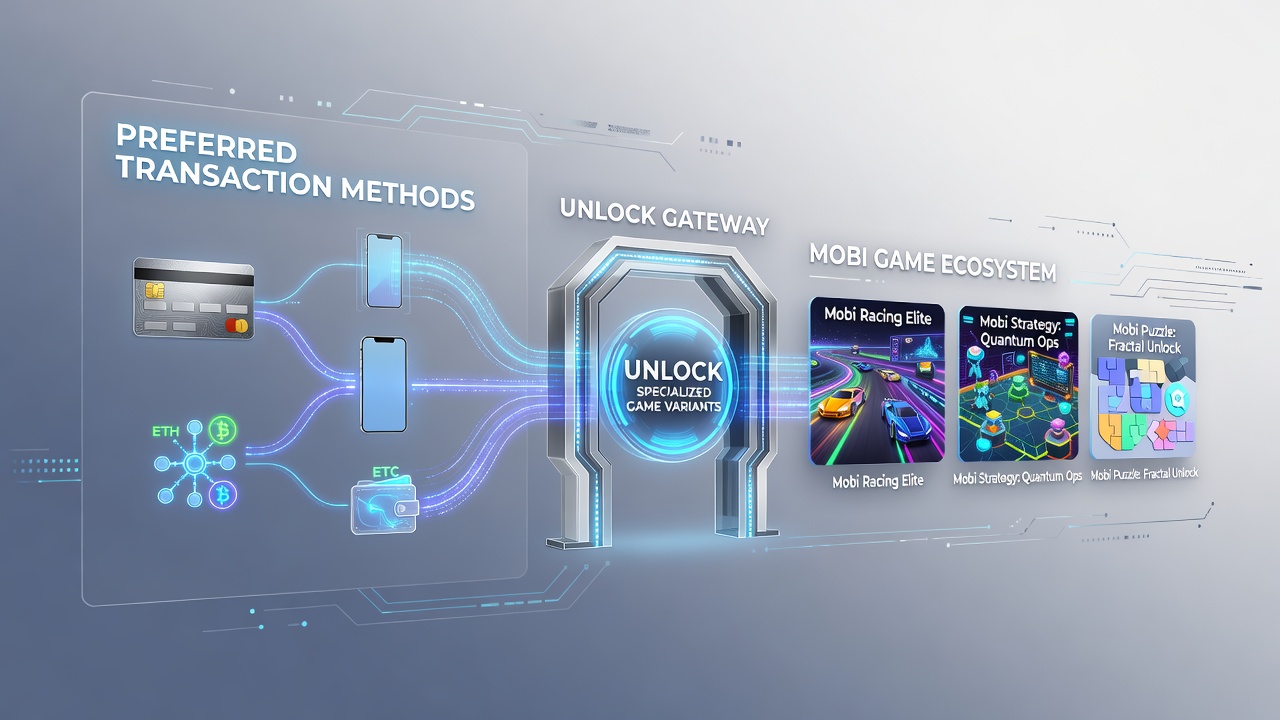
System Architecture Behind Variant Unlocks
Backend architectures in mobile gambling ecosystems use transaction metadata to populate conditional game catalogs, with settlement confirmation serving as the primary trigger. When a deposit clears through preferred channels, automated scripts adjust visibility settings for variant titles that carry higher volatility or unique bonus structures. This mechanism operates without manual intervention, relying instead on predefined rule sets that connect payment velocity to content gating.
Industry reports compiled by research groups such as the Canadian Gaming Association document how these automated linkages contribute to differentiated engagement metrics across user segments. Accounts utilizing faster transaction rails consistently register earlier exposure to experimental game mechanics, including condensed round structures and hybrid table formats designed for shorter mobile sessions. The architecture therefore functions as both a compliance tool and a content distribution layer.
Implications for Platform Development in 2026
Developers continue to refine these connections as mobile traffic surpasses desktop volumes in most regulated markets. Updates rolled out during the summer of 2026 incorporated additional transaction categories into progression algorithms, expanding the range of specialized variants tied to each method. Data sets from Ontario's Alcohol and Gaming Commission of Ontario illustrate how these refinements produced measurable shifts in the distribution of play across variant categories, with certain payment cohorts showing elevated activity in niche live-streamed environments.
Platform operators now embed transaction history directly into player profile scoring, allowing real-time adjustments to available game pools. This integration reduces friction between deposit actions and content discovery while maintaining separation between standard and specialized libraries. Observers tracking these developments note that the approach creates clearer operational distinctions between user groups without requiring separate application versions.
Conclusion
Transaction method preferences have become embedded determinants of specialized game access within mobile gambling ecosystems, driven by settlement speed, compliance scoring, and automated catalog adjustments. Data from regulatory bodies across North America and Australia confirm consistent correlations between preferred channels and unlock timing for variant content. Platform architectures continue to evolve these linkages, shaping how different user segments encounter experimental mechanics and localized features throughout 2026 and beyond.