Synchronizing Transaction Approvals with Progressive Access Thresholds in Compact Device Entertainment Networks
Anna Walter · Jun 25, 2026
Synchronizing Transaction Approvals with Progressive Access Thresholds in Compact Device Entertainment Networks
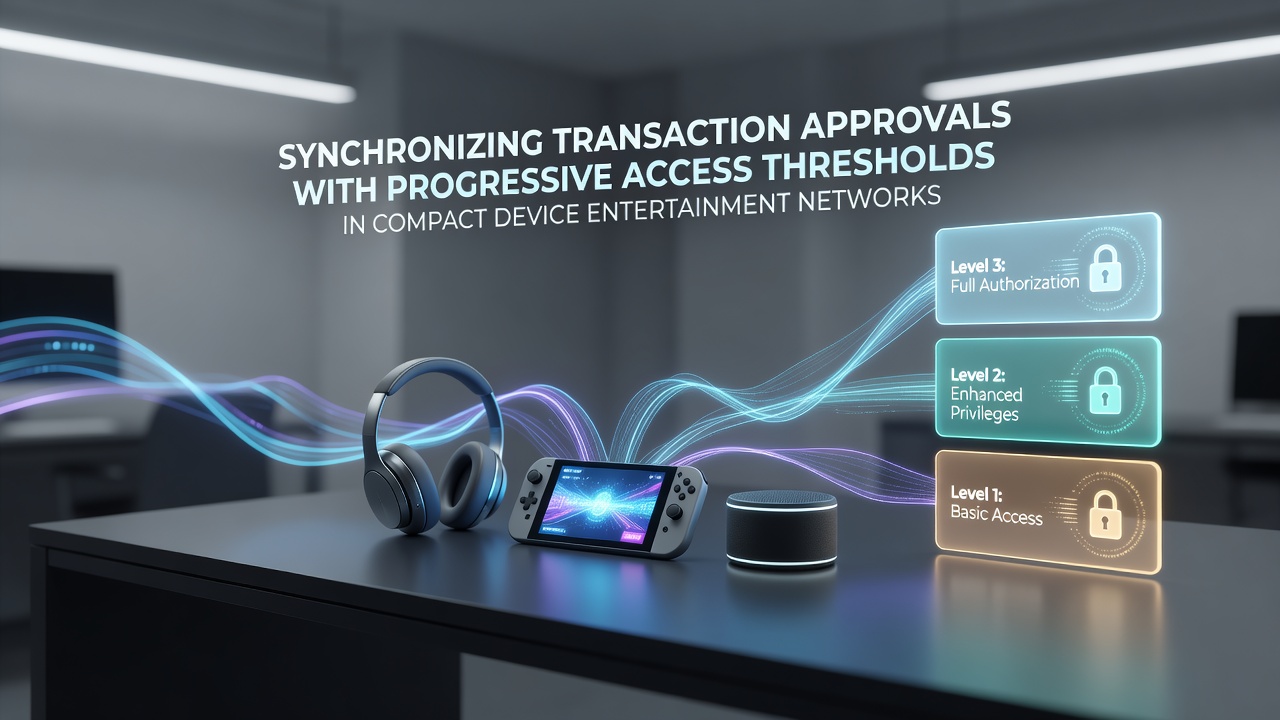
Compact device entertainment networks rely on precise coordination between transaction approvals and progressive access thresholds to manage user progression across mobile platforms. Systems process deposits, withdrawals, and related financial actions in real time while adjusting feature availability based on cumulative activity levels, and this synchronization occurs through integrated protocols that link payment gateways directly to tiered permission structures.
Core Mechanisms in Mobile Networks
Transaction approval begins at the point of user initiation on handheld devices, where encryption standards and regulatory compliance checks run concurrently with threshold evaluations; once a transaction clears verification steps, the system updates access parameters automatically. Progressive thresholds typically activate at defined intervals, unlocking additional game variants, higher stake limits, or exclusive live sessions as total processed amounts reach specified milestones, and operators configure these layers through centralized dashboards that feed data back to individual devices via secure APIs.
Researchers at institutions tracking digital entertainment infrastructure note that compact networks employ event-driven architectures to handle these updates without interrupting ongoing sessions. Data packets carrying approval confirmations trigger immediate recalibrations in access controls, preventing delays that could affect user flow across multiple titles within the same ecosystem.
Integration with Device Constraints
Handheld devices impose limitations on processing power and connectivity stability, which influences how synchronization protocols prioritize actions. Lightweight algorithms run locally to cache threshold data while full validation occurs server-side, and this hybrid approach maintains continuity even during brief network interruptions common in mobile environments. Observers note that developers optimize these routines to align with operating system constraints, ensuring that transaction logs sync accurately once connectivity resumes.
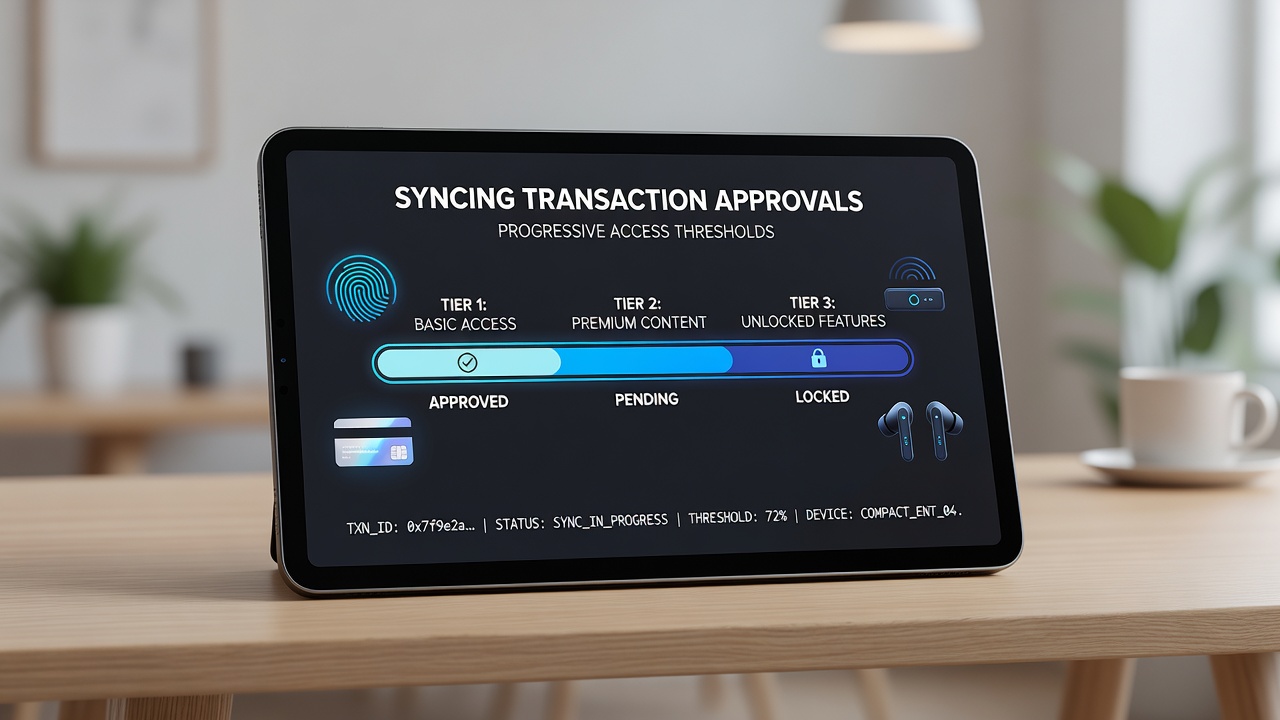
Figures from industry reports indicate that as of June 2026, adoption of multi-factor synchronization methods has increased in regions with mature mobile gaming regulations. Systems now routinely cross-reference transaction timestamps against access logs to enforce sequential unlocking, which reduces instances of mismatched permissions across device sessions.
Security and Compliance Layers
Security protocols embed transaction approval within broader compliance frameworks that monitor for anomalous patterns while advancing users through access tiers. Regulatory bodies such as the iGaming Ontario require documented audit trails that capture both financial movements and permission escalations in unified records. This combined logging supports verification processes without requiring separate reconciliation steps, and similar standards appear in frameworks administered by the Nevada Gaming Control Board for interstate mobile operations.
One network implementation tracked by academic studies at teh University of Nevada demonstrated how threshold adjustments respond dynamically to transaction velocity, adjusting unlock speeds based on aggregated volume rather than single events. Such configurations maintain network integrity across thousands of concurrent compact device connections, and analysts attribute stability to redundant synchronization checkpoints embedded at both client and server levels.
Operational Workflows and Data Flow
Workflows typically sequence transaction initiation, risk assessment, approval routing, and threshold recalculation within milliseconds. Compact device clients receive updated status flags that reflect new access rights immediately after confirmation reaches the central ledger, and these flags control visibility of premium content or elevated limits without requiring full application restarts. Data shows that networks incorporating predictive caching reduce perceived latency during peak usage periods when multiple users advance through tiers simultaneously.
What's interesting here is how external payment processors integrate into these loops through standardized interfaces that push approval signals directly into the threshold management engine. This direct linkage eliminates intermediate manual reviews in routine cases while flagging complex transactions for additional scrutiny, and the process scales across entertainment platforms that combine slots, table games, and interactive features on the same mobile infrastructure.
Current Developments in June 2026
By June 2026, several compact device networks had expanded their synchronization capabilities to include real-time cross-device continuity, allowing users to maintain progressive access status when switching between phones and tablets. Reports compiled by research groups highlight incremental improvements in error handling that prevent threshold resets during partial transaction failures, and these refinements rely on distributed ledger elements to preserve state consistency across sessions.
Operators continue refining algorithms that balance approval speed against security thresholds, particularly in jurisdictions where mobile entertainment volume has grown steadily. The reality is that synchronization remains central to maintaining orderly progression systems without creating bottlenecks at either the financial or access control layers.
Conclusion
Synchronization of transaction approvals with progressive access thresholds forms a foundational element in compact device entertainment networks, enabling seamless user advancement while upholding operational and regulatory requirements. Continued refinements in protocol design and data handling support expanding scale without compromising the precision needed for accurate tier management across mobile platforms.