Regulatory Frameworks Connecting Diverse Payment Options to Personalized Loyalty Progressions in Mobile Live Gaming
Erik Washington · Aug 27, 2026
Regulatory Frameworks Connecting Diverse Payment Options to Personalized Loyalty Progressions in Mobile Live Gaming
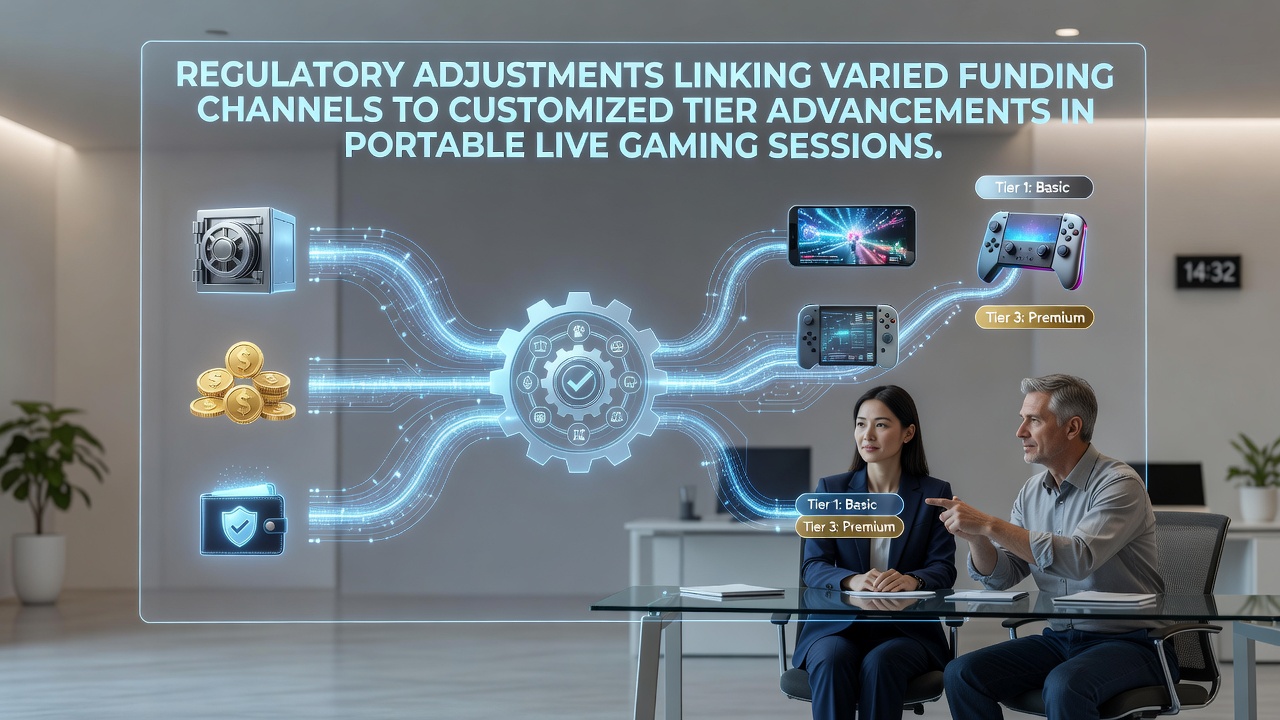
Regulatory bodies across multiple jurisdictions have implemented adjustments that tie various funding channels directly to tier advancement structures within portable live gaming sessions, and these changes have reshaped how operators manage player progression on mobile platforms. Data from industry reports indicate that such linkages allow platforms to offer customized benefits based on transaction types, frequency, and volume during live dealer interactions on handheld devices.
Observers note that these frameworks emerged prominently in early 2026 as regulators sought to standardize payment verification processes while encouraging responsible participation. In regions like Ontario, the Alcohol and Gaming Commission has outlined requirements where deposit methods influence eligibility for status upgrades, and similar patterns appear in Australian state guidelines administered through the Northern Territory Racing Commission.
Payment Channel Integration and Tier Mechanics
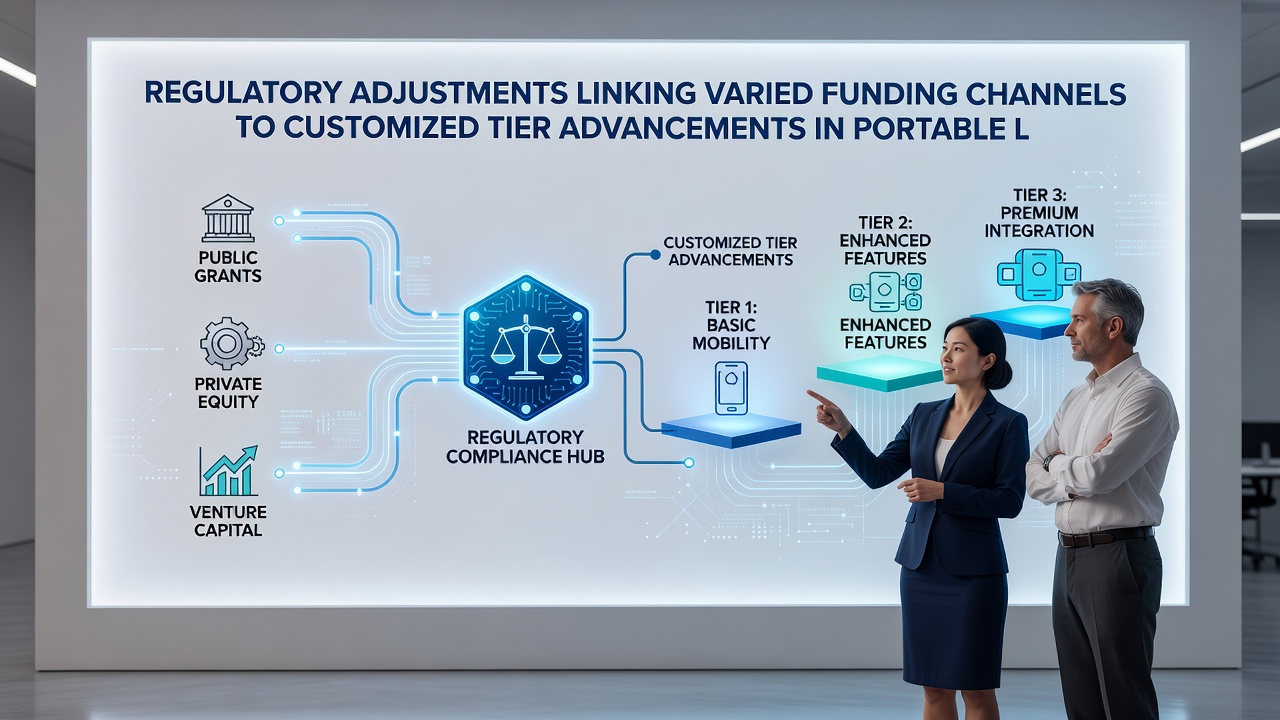
Operators must now map specific funding routes such as bank transfers, digital wallets, and card networks to distinct progression pathways, which means a single live blackjack session on a smartphone can trigger tier points only when the chosen channel meets predefined regulatory criteria. This approach creates layered reward systems where players advance through customized tiers by combining varied transaction methods over extended play periods, and data shows increased compliance tracking through automated reporting tools.
Studies from gaming research institutions reveal that these connections reduce discrepancies between reported activity and actual funding sources, while platforms adjust benefit escalations accordingly. For instance, one case examined by analysts at the University of Nevada's International Gaming Institute demonstrated how mobile live roulette sessions linked e-wallet deposits to accelerated status unlocks, resulting in measurable shifts in player retention metrics during the first half of 2026.
Regional Regulatory Developments in August 2026
August 2026 brought further refinements in several markets, with Pennsylvania's Gaming Control Board issuing updated directives that require operators to demonstrate clear pathways from multi-channel deposits to personalized tier benefits in live mobile environments. These rules emphasize transparency in how funding variations affect advancement speed, and operators have responded by integrating real-time dashboards that display eligibility based on transaction history.
Meanwhile, developments in European markets outside the UK have followed parallel tracks, as evidenced by reports from the Malta Gaming Authority showing expanded oversight of cross-border payment integrations within handheld live gaming sessions. Such measures ensure that tier advancements remain tied to verified funding sources rather than isolated play volume alone.
Impact on Operator Compliance and Player Pathways
Those who have studied these adjustments highlight how operators now deploy segmented tracking systems that connect deposit variety directly to tier customization, which allows for more granular reward distribution during portable live sessions. Evidence suggests this integration supports broader goals of financial oversight without restricting access to live dealer tables on wireless devices.
Take one operator in a regulated North American market that aligned its mobile platform with new rules by August 2026, resulting in automated tier calculations that factored in both credit card and cryptocurrency funding routes for live baccarat progression. Research indicates such adaptations have streamlined verification processes while maintaining compliance across varied transaction types.
Technical Implementation Across Platforms
Platforms achieve these linkages through API connections between payment processors and loyalty engines, and regulators require documentation that proves each funding channel contributes proportionally to tier advancement during extended live gaming on mobile. Industry associations like the European Gaming and Betting Association have published guidelines that outline best practices for maintaining these connections without disrupting session continuity.
What's notable is the emphasis on audit trails that capture every transaction-to-tier mapping in real time, which helps authorities verify adherence during routine reviews. Observers point to increased adoption of blockchain elements in some jurisdictions to enhance traceability between funding sources and customized benefits in portable environments.
Conclusion
Regulatory adjustments continue to evolve the relationship between diverse funding channels and tier advancements in mobile live gaming, with frameworks established by mid-2026 providing structured pathways for operators and participants alike. These developments reflect coordinated efforts across regions to balance innovation in portable sessions with verifiable payment integration standards, and ongoing data collection supports further refinements in the months ahead.