Navigating Loyalty Escalations Through Timed Transaction Sequences in Interactive Dealer Sessions on Handheld Platforms
Erik Washington · Aug 15, 2026
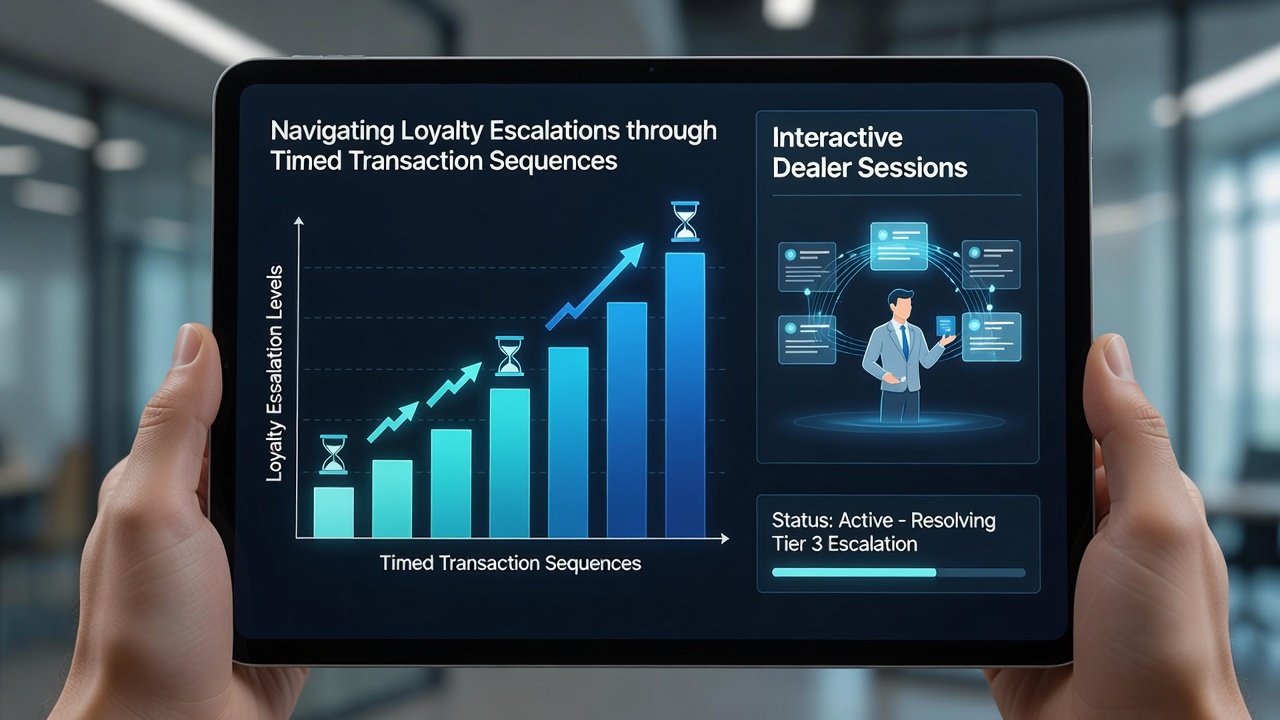
Navigating Loyalty Escalations Through Timed Transaction Sequences in Interactive Dealer Sessions on Handheld Platforms
Operators on handheld platforms structure loyalty programs around timed transaction sequences that align deposits and wagers with live dealer session milestones, and data from regulatory filings shows these mechanisms influence tier progression rates across multiple jurisdictions. Research indicates that platforms integrate clock-based triggers where transaction timing relative to dealer rotation intervals determines point multipliers, while studies from the American Gaming Association highlight how mobile interfaces track these sequences through application logs that record precise timestamps for each action.
Mechanics of Timed Sequences in Live Dealer Environments
Interactive dealer sessions on handheld devices require players to execute deposits within defined windows that precede specific game phases, and this structure allows loyalty systems to escalate benefits when sequences match platform algorithms. Observers note that a deposit initiated during the pre-deal countdown often activates higher accrual rates compared to transactions completed after the first card distribution, while platform documentation reveals that handheld applications use GPS and server synchronization to validate timing accuracy down to the second.
Those who've examined mobile casino ecosystems find that transaction sequences tied to dealer interactions create layered reward paths, because consecutive timed actions within a single session accumulate toward tier thresholds faster than isolated deposits. Figures from the Pennsylvania Gaming Control Board indicate that mobile live dealer participation grew in the first half of 2026, with timing-sensitive loyalty features contributing to sustained engagement metrics reported in quarterly summaries.
Platform Features Supporting Transaction Timing
Handheld applications display real-time countdowns that correspond to dealer action cycles, enabling users to align payments with session events that unlock escalation opportunities. Data shows these interfaces incorporate push notifications that alert participants seconds before critical windows open, and integration with banking APIs allows near-instant processing that fits within the required intervals. Experts have observed that platforms operating under different regulatory frameworks adapt these features to local transaction rules, yet the core timing logic remains consistent across wireless networks.

Research from the Australian Gambling Research Centre points to similar patterns in portable casino applications where sequence adherence correlates with accelerated progression through loyalty tiers during extended dealer sessions. Platform logs capture every timestamped event, allowing operators to audit whether a series of transactions met the spatial and temporal criteria established for premium benefit activation.
Regional Variations and Regulatory Context in August 2026
In August 2026, handheld platforms in North American and Asian markets continued refining loyalty escalation protocols that rely on synchronized transaction sequences, and regulatory updates from the Ontario Lottery and Gaming Corporation documented adjustments to timing verification standards for live dealer products. Those monitoring industry reports note that operators must maintain audit trails that demonstrate transaction sequences occurred within approved windows, because non-compliance can affect license conditions tied to responsible gaming features.
Academic analyses of mobile gaming data further reveal that loyalty escalations through timed sequences produce measurable differences in player retention across demographic groups, since consistent adherence to platform schedules often leads to higher cumulative rewards. Handheld devices facilitate this process through embedded clocks and network protocols that minimize latency, ensuring transactions register at the precise moments required by dealer session logic.
Integration with Broader Loyalty Architectures
Loyalty programs on these platforms connect individual timed transaction sequences to cumulative session metrics, creating pathways where multiple aligned actions compound toward tier unlocks during live dealer interactions. Evidence from industry reports indicates that platforms log both the monetary value and the temporal placement of each transaction, which together determine the rate at which benefits escalate. Observers have documented cases where a single sequence spanning three consecutive dealer rounds produced tier advancement that isolated transactions could not achieve within the same timeframe.
Regulatory bodies in multiple regions require transparent disclosure of how timing affects reward calculations, and platform operators respond by embedding explanatory interfaces that detail sequence requirements directly within the handheld application. This approach maintains compliance while supporting the operational flow of interactive dealer sessions on mobile devices.
Conclusion
Timed transaction sequences within interactive dealer sessions on handheld platforms form a core component of contemporary loyalty escalation systems, with platform data and regulatory filings confirming their role in shaping progression outcomes. As operators continue updating these mechanisms through 2026, the interplay between precise timing, dealer session events, and mobile technology remains central to how loyalty benefits accumulate across wireless casino environments.