Mapping Licensing Boundaries to Personalized Reward Routes in Portable Casino Systems
Viktor Jung · Aug 22, 2026
Mapping Licensing Boundaries to Personalized Reward Routes in Portable Casino Systems
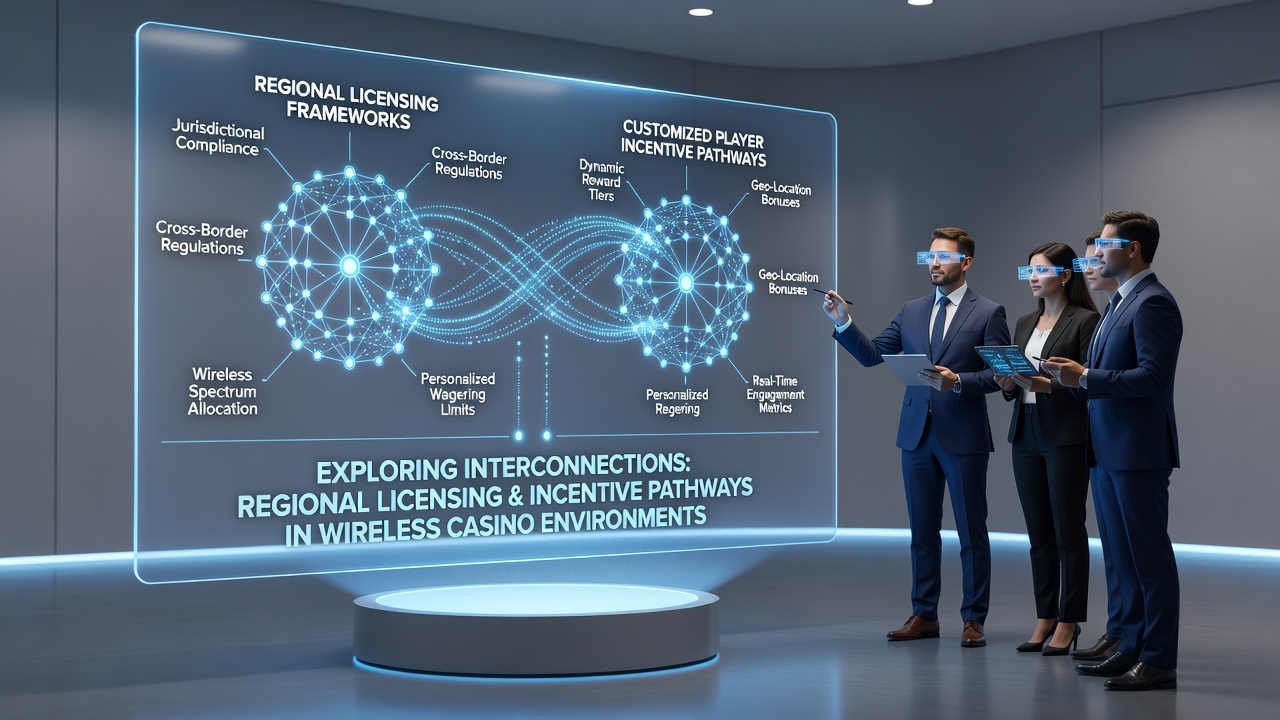
Regional licensing frameworks establish the rules that shape how operators construct customized player incentive pathways inside wireless casino environments, and these rules vary sharply across jurisdictions while directly influencing mobile reward structures. Operators must align bonus mechanics, loyalty tiers, and progression systems with the specific conditions set by each licensing body, which creates distinct patterns in how players experience incentives on handheld devices.
Regulatory Foundations Across Key Markets
Data from licensing authorities shows that requirements for player incentives often tie directly to compliance standards for fair play reporting, age verification protocols, and transaction monitoring. In regions where licenses demand detailed disclosure of reward algorithms, operators develop transparent progression maps that players can track through app dashboards. Elsewhere, frameworks emphasize spending limits and session caps, which forces incentive designs to incorporate responsible gaming nudges alongside reward escalations.
One study released in early 2026 tracked how license conditions in multiple jurisdictions affected the rollout speed of customized mobile pathways, revealing that operators with multi-regional portfolios adjust their systems region by region rather than applying uniform global models. This segmented approach appears because each license carries unique stipulations on bonus funding sources and player eligibility criteria.
Connecting License Terms to Mobile Incentive Mechanics
Wireless casino platforms translate licensing language into technical features such as tier unlock thresholds, personalized offer timing, and cross-game participation multipliers. When a license requires real-time reporting of player activity, developers integrate live data feeds that trigger incentive adjustments during active sessions on mobile networks. Conversely, licenses that prioritize static compliance audits encourage operators to pre-configure reward pathways that remain consistent across extended play periods.
Observers note several recurring patterns where license geography influences incentive customization. Markets with strict advertising rules tend to route personalized offers exclusively through in-app notifications rather than external channels. Areas enforcing deposit caps often embed incentive pathways that scale rewards based on verified play volume instead of deposit size. These adaptations ensure operators remain compliant while still offering players meaningful progression opportunities on compact device interfaces.
August 2026 Developments in Cross-Border Operations
During August 2026 several operators announced updates to their mobile platforms that reflected newly harmonized licensing requirements in overlapping regulatory zones. These updates included refined algorithms for matching player behavior data with jurisdiction-specific reward limits, allowing smoother transitions when users move between licensed regions on the same application. Figures from industry monitoring groups indicate that such technical adjustments reduced compliance incidents by measurable margins in the months following implementation.
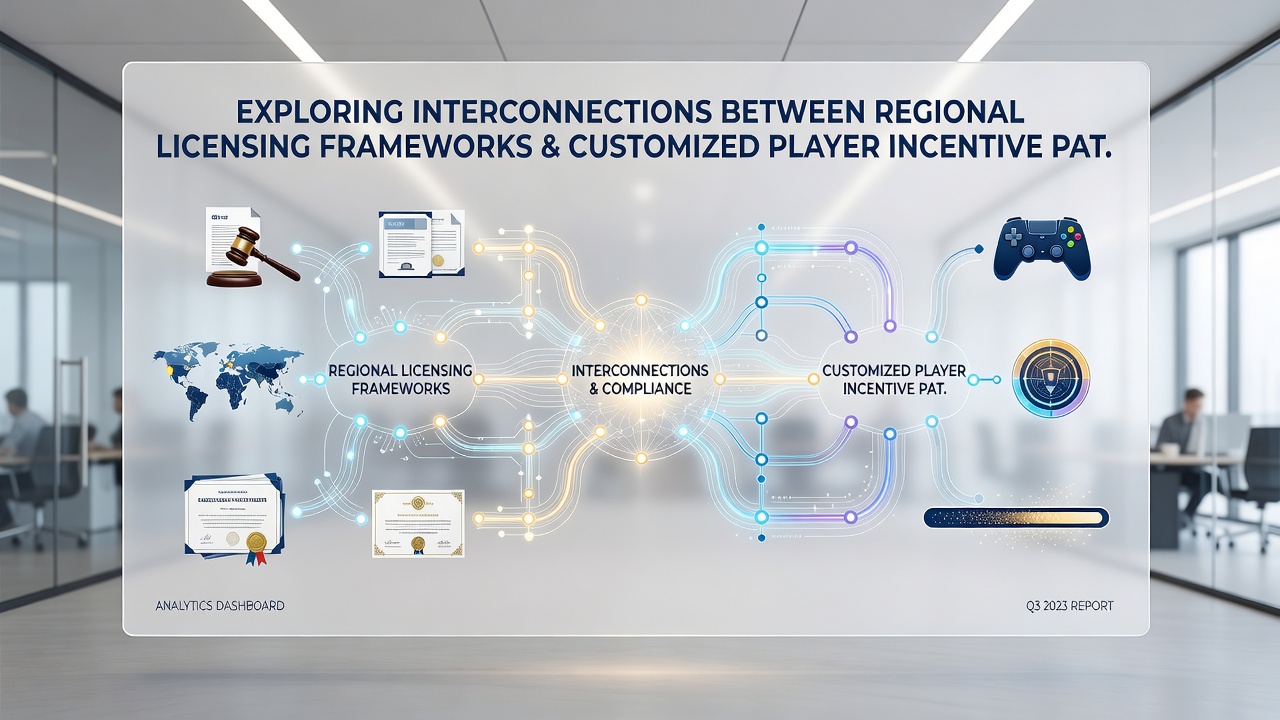
Research indicates that wireless environments amplify teh visibility of these interconnections because players interact with incentives continuously through push notifications and session summaries. License conditions that govern data retention periods, for example, determine how long an operator can maintain a player's customized pathway history across multiple devices. This creates practical differences in the continuity of reward experiences depending on the primary licensing jurisdiction.
Technical Integration of Licensing Data
Operators build backend systems that ingest licensing parameters as configurable variables within their mobile reward engines. These systems reference real-time regulatory feeds to validate whether a proposed incentive meets current license terms before it reaches the player interface. When parameters change, such as updated contribution rates for live dealer games toward tier progress, the platform automatically recalibrates visible pathways without requiring separate app updates for each region.
According to Nevada Gaming Control Board documentation on multi-jurisdictional compliance, operators must maintain separate audit trails for incentive calculations tied to each active license. This requirement drives development of modular codebases that isolate regional rules while sharing core player tracking functions across wireless platforms.
Industry Reports on Pathway Effectiveness
Industry reports compiled by the Canadian Gaming Association highlight how licensing variations affect player retention metrics in mobile settings. Jurisdictions permitting flexible incentive scaling show higher engagement with tiered reward structures, whereas those imposing rigid caps see players concentrating activity within shorter session windows. These patterns emerge consistently across different device types and network conditions.
Technical teams often reference licensing appendices when designing A/B tests for new incentive features, ensuring every variant stays within approved boundaries for the target regions. This practice reduces the risk of license violations while still allowing experimentation with personalization logic that responds to individual play histories.
Conclusion
The interconnections between regional licensing frameworks and customized player incentive pathways in wireless casino environments continue to shape how operators deliver mobile rewards. Each license imposes parameters that translate into specific technical and operational choices, producing varied player experiences across different regulatory landscapes. As platforms evolve through 2026 and beyond, these linkages remain central to compliant and functional incentive design in portable casino systems.