Mapping Interconnected Loyalty Pathways Across Hybrid Game Formats in Emerging Digital Platforms
Ines Griffin · Jul 18, 2026
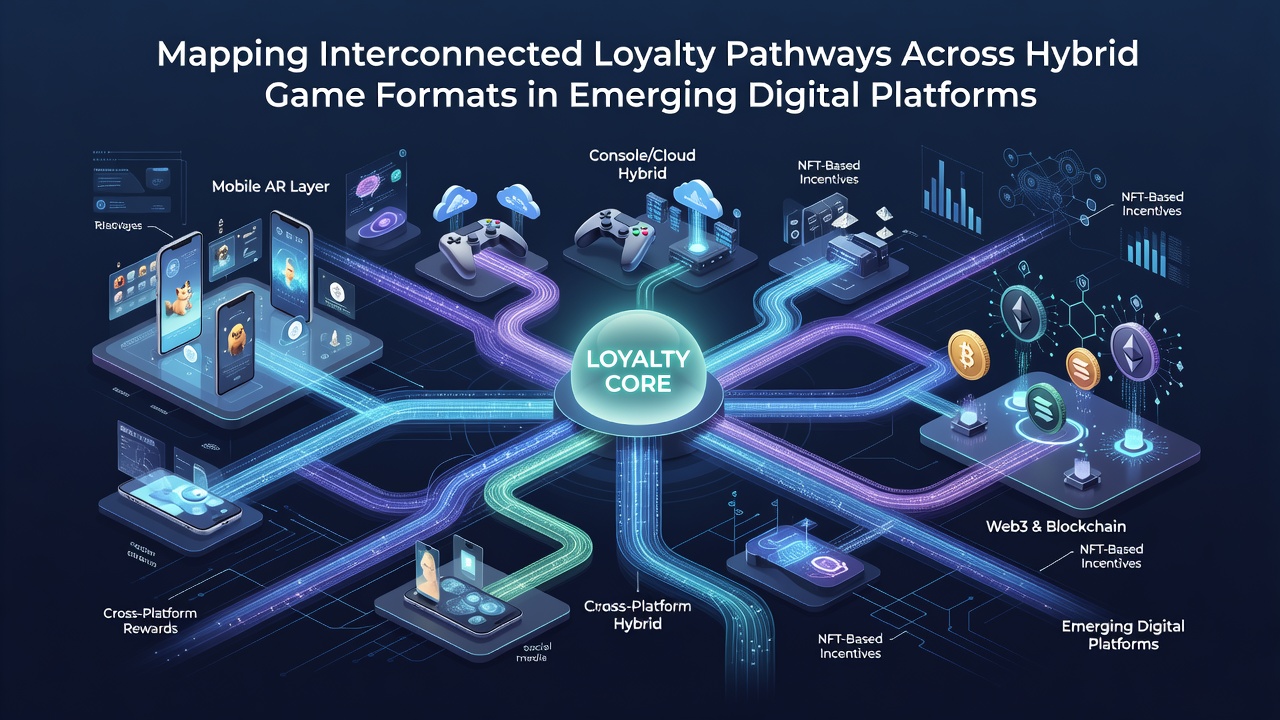
Mapping Interconnected Loyalty Pathways Across Hybrid Game Formats in Emerging Digital Platforms
Hybrid game formats blend multiple delivery methods and player engagement styles within single ecosystems, and observers note that loyalty pathways now stretch across these formats in ways that connect mobile sessions, console campaigns, and cloud-based experiences into unified progression systems. Data from industry reports shows players accumulate points or tiers that carry over when they switch between a smartphone puzzle mode and a full-scale multiplayer console event, creating continuous reward structures that adapt to device changes without resetting progress.
Core Elements of Hybrid Formats and Loyalty Integration
Emerging platforms combine free-to-play loops with premium narrative arcs, and researchers at organizations such as the Entertainment Software Association have tracked how these combinations allow loyalty metrics to flow between genres that once operated separately. A player might earn progression tokens during a quick mobile battle royale match that later unlock cosmetic upgrades usable in a longer console role-playing session, while the same tokens influence tier status on a cloud streaming service accessed through a tablet. This mapping occurs because backend systems synchronize user data across APIs that link different game clients, and figures from platform analytics reveal that such synchronization increases average session length by measurable percentages in markets including North America and parts of Asia.
Payment integrations and account linkages serve as the infrastructure for these pathways, yet the actual mapping depends on how developers design the reward logic itself. Studies indicate that when loyalty points earned in one format directly influence access thresholds in another, retention rates rise because players see tangible value in maintaining activity across devices rather than focusing on a single entry point.
Platform Data and Cross-Format Progression Patterns
Platform operators collect telemetry that maps player movement between hybrid components, and this information helps chart which loyalty elements transfer most effectively. For instance, time-based rewards collected during short mobile sessions often convert into resource multipliers for extended console play, while social achievements from cloud multiplayer events feed into personalized benefit escalations visible on all connected interfaces. Those who have examined these datasets note that the strongest interconnections appear in titles supporting simultaneous logins across three or more formats, where unified dashboards display cumulative progress without manual intervention.
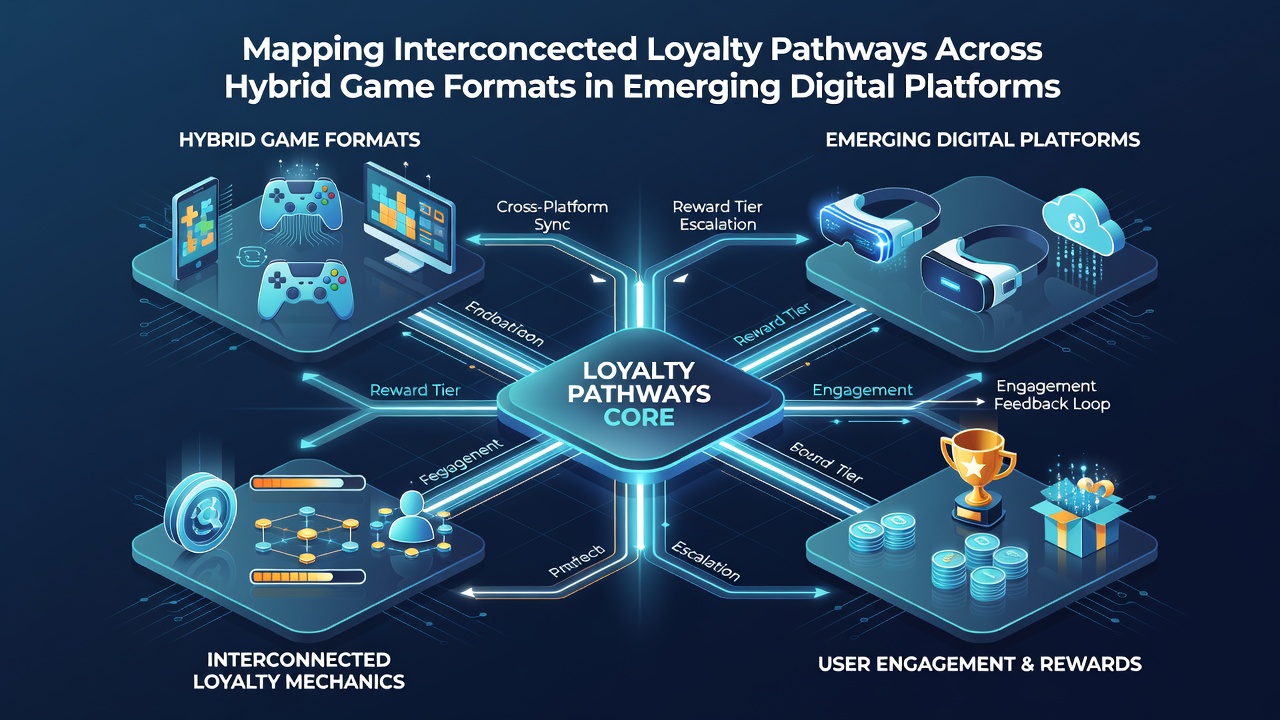
In July 2026, updated telemetry dashboards released by several major platform holders showed continued growth in cross-format loyalty participation, particularly in regions where 5G infrastructure supports seamless cloud handoffs. These dashboards track how rewards earned through augmented reality mobile segments influence eligibility for exclusive events hosted on dedicated console servers, and the patterns demonstrate that players who engage hybrid formats at least twice weekly maintain higher tier levels than those who remain within one format.
Technical Mapping Mechanisms and Emerging Standards
Developers implement standardized token systems that allow loyalty value to translate across game formats without loss of meaning, and industry working groups continue refining protocols that preserve point integrity during transfers. When a player completes a daily mobile challenge, the resulting tokens apply toward console battle pass tiers or cloud tournament entries, and this process relies on encrypted ledgers that record each transaction across distributed servers. Research from academic sources has examined these ledgers to identify friction points where transfer delays occur, and the findings highlight that optimized API calls reduce such delays to under two seconds in most tested scenarios.
Security layers built into these mappings prevent duplication or unauthorized transfers, and regulatory bodies in multiple jurisdictions require transparency reports that detail how player data moves between formats. Observers note that compliance documentation increasingly references the interconnected nature of loyalty pathways, because regulators want assurance that cross-format systems do not create unintended advantages or data vulnerabilities.
Case Examples from Current Platform Implementations
One widely observed implementation appears in large-scale multiplayer titles that support mobile, console, and cloud access, where completing seasonal objectives on any device contributes to a shared leaderboard that determines global reward distribution. Another example involves narrative-driven games that shift between short mobile side quests and deeper console story arcs, with loyalty currency earned in either segment unlocking shared cosmetic or functional items. These examples illustrate how the mapping functions in practice, and data shared at industry conferences confirms that players who utilize multiple formats within the same title show stronger long-term engagement metrics than single-format users.
Additional implementations appear in emerging metaverse-style platforms that incorporate hybrid elements such as social hubs accessible via mobile alongside competitive arenas hosted on higher-powered consoles. Loyalty pathways in these environments often include reputation scores that accumulate from both casual mobile interactions and structured console events, creating a single visible progression line visible to other players regardless of the device they use to log in.
Conclusion
The mapping of interconnected loyalty pathways across hybrid game formats continues to evolve as emerging digital platforms refine their synchronization tools and reward logic. Platform data and research findings demonstrate that these systems create measurable continuity for players who move between mobile, console, and cloud environments, and the technical standards supporting such continuity are becoming more standardized across the sector. As July 2026 telemetry indicates ongoing growth in multi-format participation, the structures that link loyalty elements across formats remain central to how digital gaming ecosystems organize player progression and retention.