How Global Sporting Calendars Reshape Loyalty Thresholds in Wireless Entertainment Platforms Through Synchronized Event-Based Reward Cycles
Katja Brooks · Aug 18, 2026
How Global Sporting Calendars Reshape Loyalty Thresholds in Wireless Entertainment Platforms Through Synchronized Event-Based Reward Cycles
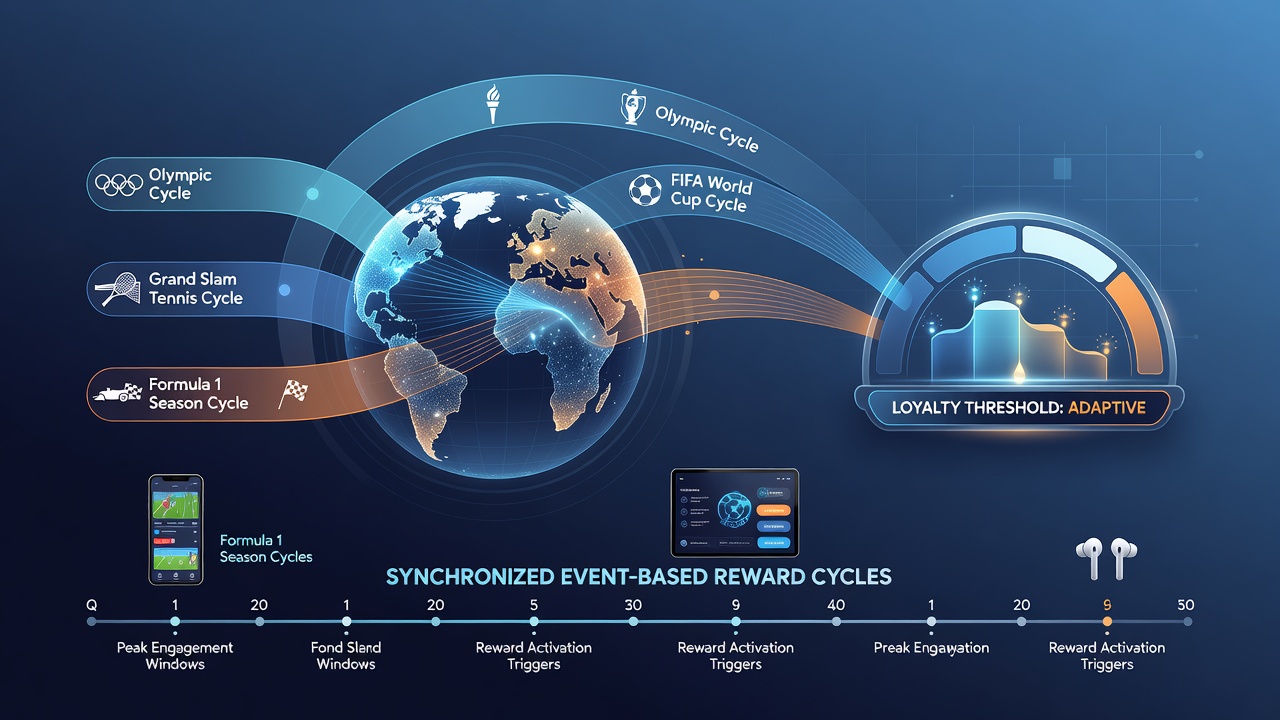
Global sporting calendars drive measurable shifts in how wireless entertainment platforms structure loyalty thresholds, and synchronized event-based reward cycles align user engagement metrics directly with major competitions such as the FIFA World Cup, Olympic Games, and continental tournaments. Platforms track participation spikes during these periods and adjust point accumulation rates, tier advancement requirements, and redemption windows to match fixture schedules released months in advance by governing bodies.
Event Timing and Platform Data Patterns
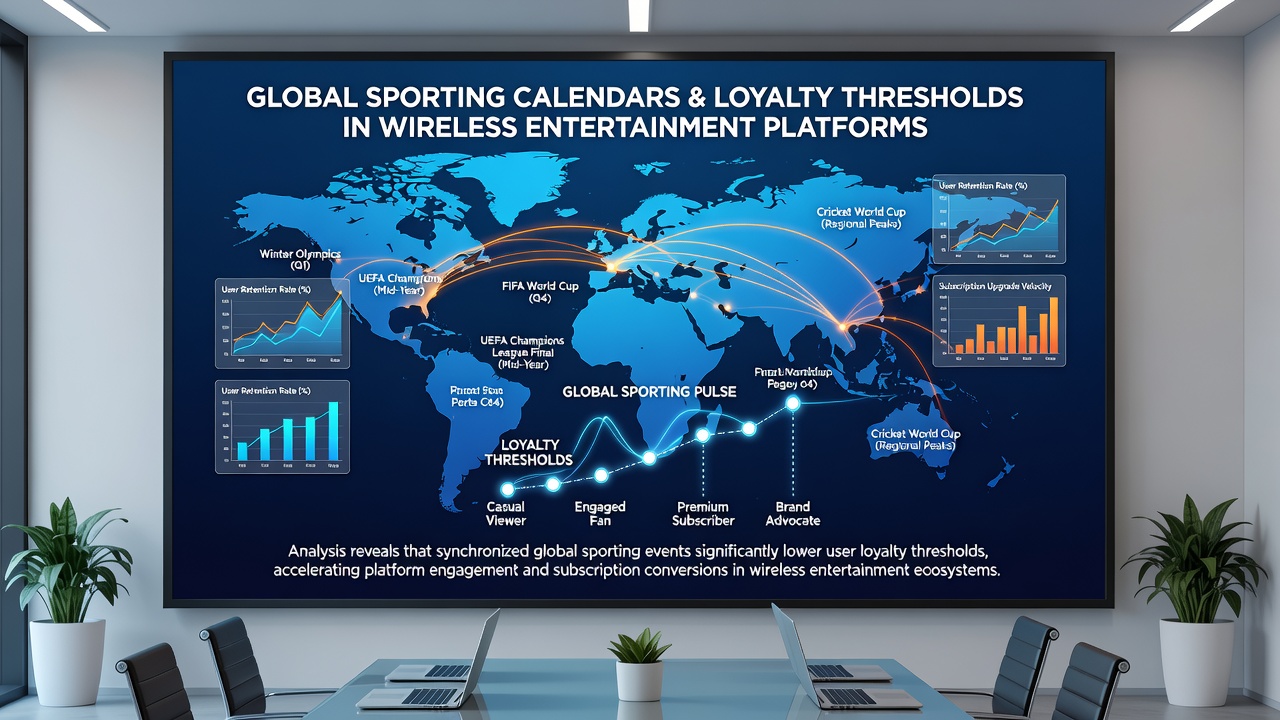
Research from the International Olympic Committee shows that mobile entertainment applications record engagement increases of 40 to 70 percent in regions hosting or broadcasting marquee events, prompting operators to recalibrate loyalty parameters so users reach higher tiers through time-limited challenges tied to live matches. These adjustments occur because fixture lists published by international federations provide predictable windows that platforms exploit for synchronized reward drops, bonus multipliers, and streak requirements that reset at the start of each tournament phase.
Data collected across multiple cycles indicates that loyalty thresholds tighten during peak event weeks and relax during off-periods, creating a rhythm where users accumulate credits faster when live content volume rises. Wireless platforms integrate real-time APIs from sports organizers to trigger automated reward cycles, ensuring that point-earning opportunities appear on user dashboards within minutes of match start times announced by official schedules.
Regional Regulatory Influences on Reward Structures
Regulatory frameworks in different jurisdictions further shape how platforms implement these cycles. In Australia the Australian Communications and Media Authority requires clear disclosure of time-bound promotions, which leads operators to publish exact dates when event-based multipliers activate and expire. Canadian provincial regulators apply similar transparency rules, resulting in standardized notification systems that alert users when loyalty thresholds shift in response to upcoming international tournaments.
Platforms operating across borders maintain separate reward ledgers for each regulatory zone while using a single global sports calendar as the synchronization backbone. This approach allows consistent event alignment yet accommodates local rules on bonus validity periods and tier qualification criteria.
Technical Integration of Fixture Data
Technical teams embed fixture data feeds into loyalty engines so that reward cycles activate automatically when predetermined conditions such as match count or cumulative viewing minutes are met. One documented implementation in European markets linked a three-week continental championship to daily login bonuses that increased in value after each round of fixtures, producing higher retention rates throughout the tournament compared with non-event periods.
Users who complete event-specific challenges receive tier progression credits that carry forward, whereas standard loyalty points earned outside these windows follow slower accumulation curves. The result is a dual-track system where global sporting calendars effectively set the pace for loyalty advancement across wireless platforms.
August 2026 Observations
In August 2026, platforms that had aligned reward cycles with the preceding summer tournament reported elevated baseline engagement levels persisting into the subsequent months. Observers note that users who crossed new loyalty thresholds during the event period maintained higher activity rates even after the synchronized bonuses ended, suggesting lasting effects from the temporary adjustments. Data sets compiled by industry analytics groups confirm similar carry-over patterns following previous major competitions.
Conclusion
Global sporting calendars function as external clocks that wireless entertainment platforms use to synchronize loyalty thresholds and reward cycles, producing measurable changes in user progression rates tied directly to fixture schedules. Regulatory requirements across jurisdictions enforce transparency around these time-bound mechanisms, while technical integrations ensure real-time responsiveness. The pattern continues as new tournament calendars are released and platforms refine their systems to match upcoming event windows.